


NEWS
What issues should be paid atte
Analysis of the Causes of Air B
The significant role of the vul
The conveyor belt is worn and c
CONTACT
TEL:13656484818
WeChat:13656484818
Add:WangTai Town, Huangdao District, Qingdao City, Shandong Province
Consultation
Analysis of the Causes of Air Bubbles During Rubber Product
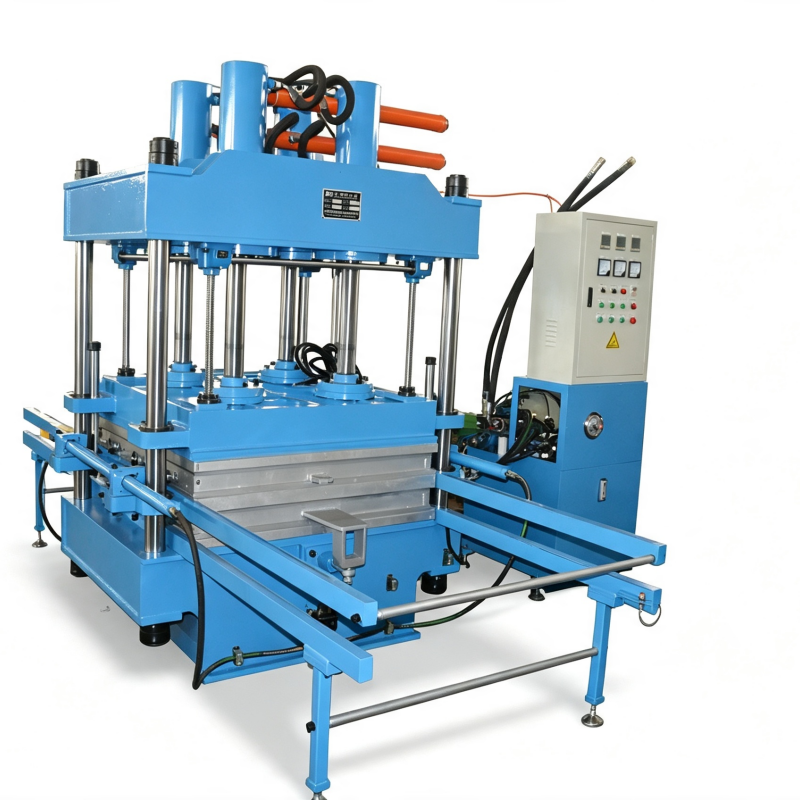
During the vulcanization process of rubber products, bubbles are a common quality defect that often occurs during the vulcanization process. They not only affect the appearance quality of the products but also may affect their intrinsic quality. By conducting on-site observation and analysis to identify the causes of bubbles during vulcanization, measures to solve the problem were formulated, which minimized the occurrence of bubbles and improved the appearance quality of the products.
The factors contributing to bubbles in vulcanized rubber products are diverse. The key reasons include raw materials, rubber compound mixing and processing, process operations, vulcanization equipment and molds, etc.
I. Raw Material Factors
1. Cause Analysis
(1) The moisture and volatile components of natural rubber exceed the standard.
(2) The storage and batching of chemical raw materials and additives are affected by moisture, resulting in an increase in moisture content.
(3) Steel cord is damp, and the steel wire glue paste has not dried.
(4) The fiber cord has a high moisture absorption rate, with an original cord moisture content higher than 2%, and a moisture content higher than 1% before pressing.
2. Solution Measures
(1) After cutting the natural rubber, take measures to dry the rubber. The moisture and volatile components should be controlled according to the standard, and it is strictly prohibited to exceed the standard. The moisture content in the original rubber should be reduced.
(2) Increase moisture-proof measures during the storage, transportation, and processing of chemical raw materials and additives. Especially during the rainy season, foggy weather, and rainy days, it is necessary to prevent the raw materials from getting wet and getting wet. The mixed raw materials should be stored in plastic containers for feeding.
(3) Open the packaging of steel cord 1 hour before use to maintain the indoor humidity within the standard range to avoid the steel cord from getting wet. Blow dry the steel wire glue paste after it dries.
(4) Before pressing the fiber cord, the moisture absorption rate before pressing should be lower than 1%.
II. Semi-finished Product Component Factors
1. Cause Analysis
(1) The dispersibility of additives in the mixed rubber is not uniform.
(2) The mixing temperature is too low, and the moisture is not fully evaporated. When the temperature is high, the sulfur added during vulcanization is prone to melting or burning.
(3) The rubber is not stored for a sufficient period or is used without storage.
(4) The rubber is not uniformly heated during the heat treatment process, and the surface of the molded product is not smooth.
(5) During the heat treatment on the open mill, the surface of the rubber is covered with air, and the molded rubber has the phenomenon of trapping air.
2. Solution Measures
(1) Optimize the production formula and replace the current additives with dispersible ones. Increase the application of dispersants, uniformizers, and other processing aids to improve the dispersion performance of various additives.
(2) Use a two-stage production process with a twin-screw mixer for the mixed rubber. Increase the temperature during the first stage mixing to allow the moisture and volatile components in the raw materials to fully evaporate. After the rubber is stored, it is mixed in the second stage, and the temperature is controlled within the range of the temperature for adding sulfur and accelerators to avoid burning.
(3) Strictly control the storage time of semi-finished products in each process, such as plasticizing, first-stage mixing, second-stage mixing, and mold pressing. Allow various additives to fully diffuse to improve the uniformity of the rubber and facilitate the recovery of stress and strain under mechanical action.
(4) The rubber should be heated uniformly. Use operations such as cutting, dropping, and kneading to ensure the uniformity of the rubber mixing. Adopt a separate operation method for supplying rubber for heat treatment and mold pressing to improve the smoothness of the surface of the molded rubber.
(5) Use extrusion technology to extrude the rubber, and the surface of the molded rubber will no longer have the phenomenon of trapping air.
III. Production Operations
1. Cause Analysis
(1) The temperature of the roll frame of the open mill, the temperature of the heat supply for the rubber, and the temperature of the discharge for rubber are not strictly controlled. There are bubbles on the surface of the semi-finished product components.
(2) The air in the rubber of the tape fabric is excessive, and it is difficult to be discharged during the molding and vulcanization process.
(3) The thickness and width tolerance of the semi-finished product components are too large, and the weight tolerance is also large. This affects the flow of the rubber in the mold.
(4) When the pre-forming process involves multiple layers of rubber stacking, the phenomenon of trapping air in the rubber occurs, causing bubbles in the rubber.
(5) During the rubber coating process of the steel cord, only the surface layer is coated. The air content in the steel cord is high, and the gaps between the steel cords are large. When the adhesive film is applied, the phenomenon of trapping air easily occurs.
(6) During the vulcanization process, the pressure is too low, resulting in poor density of the rubber material and the easy formation of bubbles.
(7) During the vulcanization process, if the temperature and time do not meet the process requirements, it will also cause insufficient vulcanization and air bubbles.
2. Solutions
(1) Control the temperature and capacity of the roll cylinder of the plasticizing machine to prevent the rubber material from overheating and trapping air within the rubber that is difficult to remove.
(2) After pressing, the rubber cord fabric is arranged along the warp direction with multiple groups of cotton threads, increasing the exhaust effect between the layers of the rubber cord fabric. Before winding the rubber cord fabric, add a device to puncture air bubbles to increase the exhaust effect between the rubber cord fabrics.
(3) Modify the design of the extrusion outlet plate to make the shape of the rubber material more conducive to the mold, strictly control the construction size and tolerance of the semi-finished rubber material to prevent the phenomenon of trapping air in the product.
(4) When there are multiple layers of rubber material that need to be stacked during pre-forming, press out the exhaust valve on the rubber material to reduce the phenomenon of trapping air easily in the rubber layer or use bubble needle to puncture the surface air bubbles of the rubber material.
(5) The steel cord material is improved from coating with rubber slurry and applying adhesive film to extrusion and coating. This reduces the air content of the steel cord within the rubber material and reduces the phenomenon of trapping air easily during the application of the adhesive film.
(6) Set the mold cavity pressure reasonably to ensure the pressure required for vulcanization, allowing the rubber material to flow and fill the mold cavity.
(7) Strictly control the production operation according to the specified vulcanization temperature and time, changing manual operation to microcomputer group control operation.
IV. Equipment and Molds
1. Cause Analysis
(1) The temperature control system of the flat vulcanizing machine has a large deviation, and when the temperature is high, it causes the mold temperature to be too high, reducing the flow time of the rubber material in the mold.
(2) The mold surface is damaged, and it is uneven, affecting the fluidity of the rubber material.
(3) The mold surface is prone to accumulate dirt, affecting the fluidity of the rubber material and causing surface scars on the belt body.
(4) The layout of the exhaust lines and exhaust holes of the mold is unreasonable, with thin exhaust lines and small exhaust hole diameters, affecting the exhaust effect.
(5) The side iron grooves and guide angles of the mold are designed in an unreasonable way, causing the rubber material to have layers when entering and cannot be completely discharged after being mixed with gas. During the mold closing exhaust process, the rubber material is prone to produce vortex, turbulence, and overlap.
2. Solutions
(1) Improve the temperature measurement points and temperature control sensor system of the flat vulcanizing agent to make the temperature in the mold cavity consistent with the displayed temperature.
(2) Repair the damaged mold surface parts in time, and the manufacturer takes measures to protect and prevent the damage of the mold surface to avoid mold surface damage.
(3) Quantitatively and regularly clean and polish the mold surface to ensure the necessary smoothness of the mold surface.
(4) Improve the layout of the exhaust lines and exhaust holes of the mold, making them crosswise and longitudinally connected, and distributing them reasonably. Appropriately thicken the exhaust lines and increase the diameter of the exhaust holes to enhance the exhaust effect.
(5) Optimize the design of the side grooves and guide angles of the mold to reduce the vortex and overlap phenomenon of the rubber material when entering.
By analyzing the causes of air bubbles in rubber product vulcanization, formulating problem-solving rectification plans, strengthening the use and management of raw materials, standardizing the mixing and processing of rubber materials, improving process operations, and optimizing mold design, the quality defects of air bubbles and surface scars on the belt body, between the rubber layers, on the patterns, and in the middle of the steel cord have significantly decreased, improving the appearance quality of the products.
Recommended Reading
- What issues should be paid atte 2026-09-03
- Analysis of the Causes of Air B 2026-09-03
- The significant role of the vul 2026-09-03
- The conveyor belt is worn and c 2026-09-03
- Introduction to the Properties 2026-09-03
- The properties of vulcanized ru 2026-09-03
Recommended Products
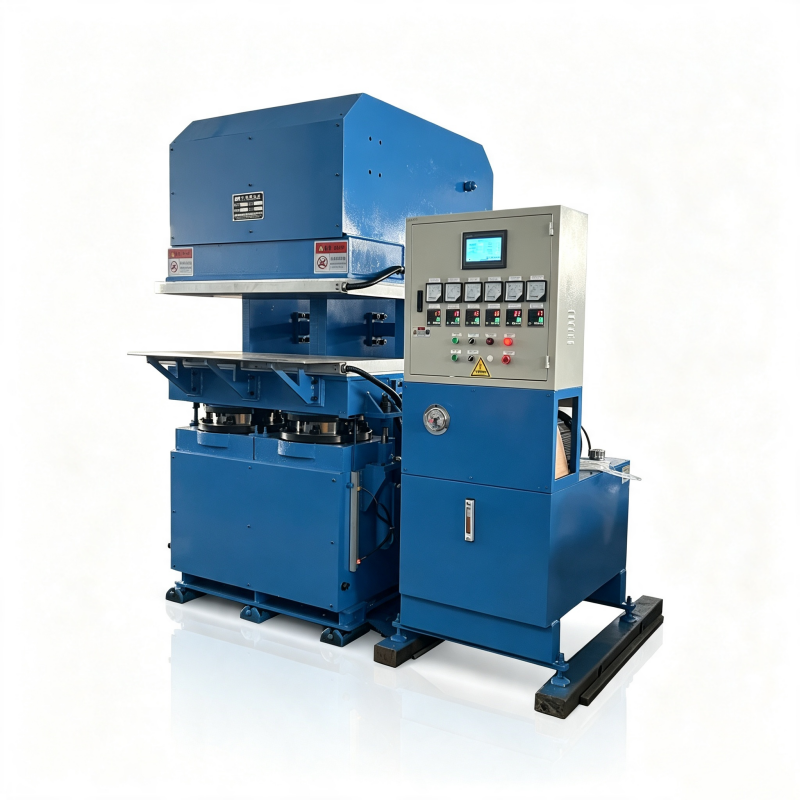
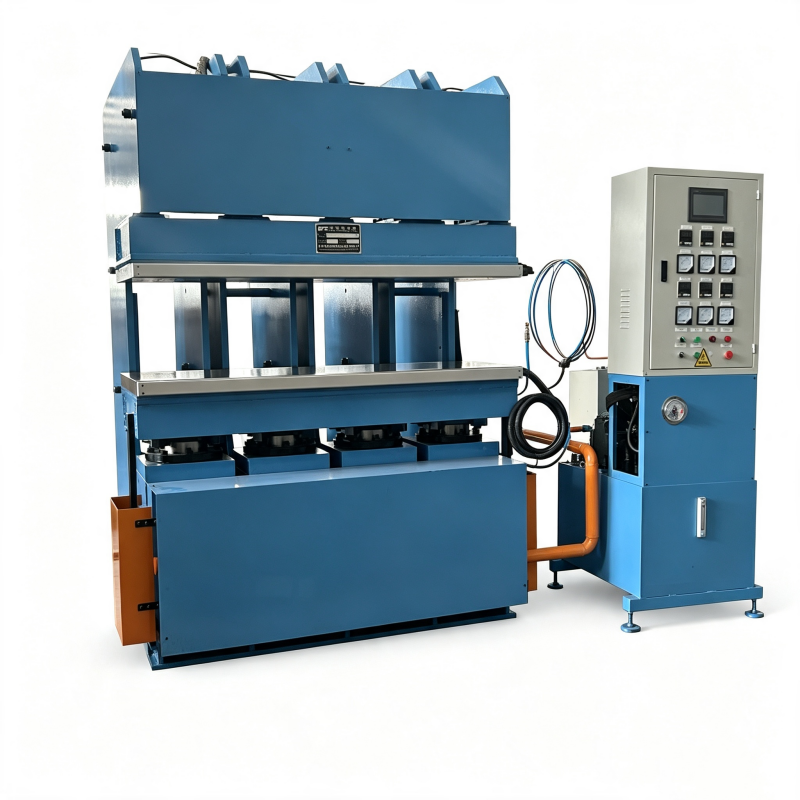
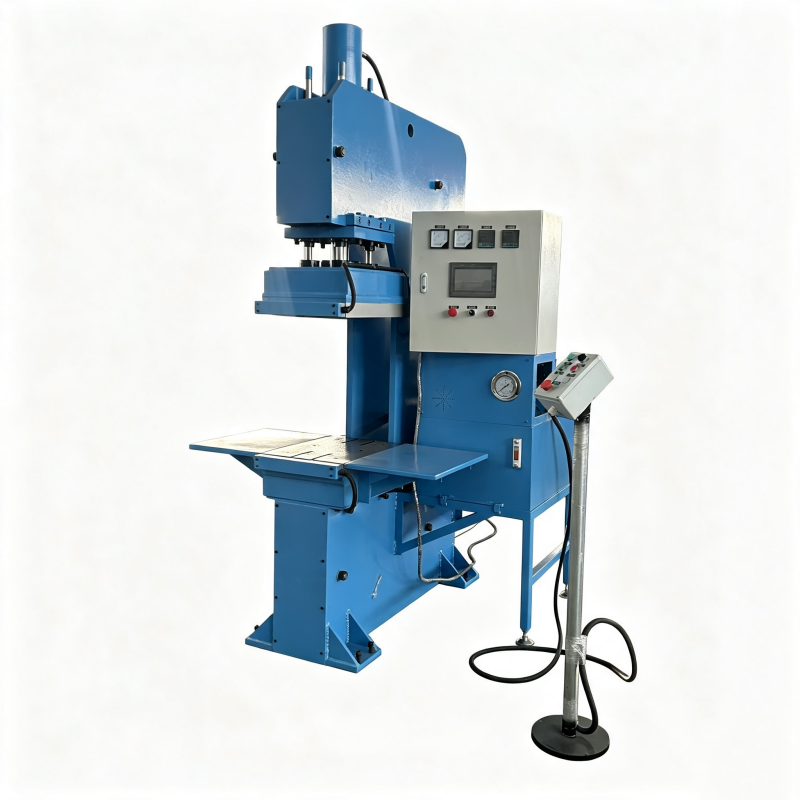

Grestor Machinery-Mechanical Production
Mechanical research and development, customized production
